A sea water pump is a pump designed specifically for use in marine applications, such as seawater circulation, cooling, and ballast systems on ships, boats, and other maritime vessels. It is made of materials that are highly resistant to corrosion from saltwater and typically includes a bronze or stainless steel body, impeller, and shaft. The sea water pump is an important component in the overall marine system, ensuring the proper flow and exchange of water throughout the vessel to prevent overheating and damage to equipment.
Sea water pumps can be cost-effective compared to freshwater pumps because they are designed to withstand the harsh saltwater environment and do not require additional treatment and filtration.
Sea water pumps are made of high-grade stainless steel that can resist corrosion, erosion, and rusting from saltwater, making them last longer than freshwater pumps.
Sea water pumps take advantage of an abundant and renewable resource and do not require the use of freshwater resources.
Sea water pumps require minimal maintenance since they have fewer working parts and are built with materials that can withstand harsh conditions.
Sea water pumps are designed to operate continuously with minimal downtime and can effectively handle the high-volume needs of industries like marine, aquaculture, and desalination.
Sea water pumps are designed for easy installation, and many come with pre-installed features like valves, sensors, and gauges that make the installation process straightforward.
The benefits of sea water pumps make them ideal for a wide range of applications, including irrigation, firefighting, desalination, and marine transportation.
Sea water is an excellent coolant because of its high heat capacity and conductivity. The sea water pump can effectively extract heat from the engine or other equipment and cool it down.

Submersible seawater pumps apply to lift difficult-to-handle liquids, such as seawater, corrosive liquids, and

Centrifugal Sea Water Pump, Based on the S series, OS series, IS series.. Centrifugal Sea Water Pump is mainly used in
Our factory has the advanced B-grade testing station of computer-controlled submersible motor pump, national 2-grade physical-chemical measurement and inspection center, own the only province-grade investigate institution in Shandong and own the advanced machining centre, computer center and product inspection center.
We take great measures to ensure that we work with the industry’s highest quality equipment and that our equipment is regularly and meticulously maintained.
We have a team of skilled and experienced professionals who are well-versed in the latest technology and industry standards. Our team is dedicated to ensuring that our customers get the best service and support possible.
Has a long-standing reputation in the industry, which makes it stand out from its competitors. With over many years of experience, they have developed the skills necessary to meet their clients' needs.
Axial flow pumps
An axial flow pump is one in which a screw propeller is used to create an increase in pressure by causing an axial acceleration of liquid within its blades. The incidental rotation imparted to the liquid is converted into straight axial movement by suitably shaped outlet guide vanes.....
Centrifugal pumps
Rotation of a centrifugal pump impeller causes the liquid it contains to move outwards from the centre to beyond the circumference of the impeller. The revolving liquid is impelled by centrifugal effect.....
Gear pumps
Diesel engine and gearbox lubrication systems are normally supplied by gear pumps which are independently driven for large slow speed engines and stand-by duties but usually shaft driven for medium and high speed engines. Gear pumps are also used for fuel and oil transfer, boiler combustion systems and other duties.....
General purpose pumps
Single entry general purpose pumps are used for salt and fresh water circulating and also for bilge and ballast duties. The impeller is suspended from the shaft with no bottom support. ....
Marine pumps construction
Marine pumps are usually installed with the shaft vertical and the motor above the pump. This positions the pump as low as possible for the best NPSH, takes up the least horizontal space and leaves the electric motor safer from gland or other leakage.....
Pumps erosion
A pump handling liquids which contain abrasives, will suffer erosion on all internal surfaces, including bearings and shaft seals. The sea-water circulating pumps of ships operating in waters that contain large quantities of silt and sand require frequent renewal of shaft seals or packing, also of shaft sleeves in way of the gland and bearings.....
Rotary Displacement Pump
Positive displacement rotary pumps rely on fine clearances between moving parts for their efficient operation. Excessive wear or erosion of parts, due to friction contact or the presence of abrasives, is avoided by employing this type of pump for specialized rather than general duties.
Screw Pumps
Both double-screw pumps, in which the screws are driven in phase by timing gears , and triple screw pumps , in which the centre screw is driven and the outer screws idle are used at sea especially for pumping high viscosity liquids such as oil and some liquid cargoes.
Sea water pumps play a vital role in desalination plants, which convert seawater into fresh water by removing salt and impurities. These pumps help in the intake of seawater, which then goes through the desalination process.
Sea water pumps are used in offshore platforms and drilling rigs to facilitate various operations. They are employed for seawater injection, which helps maintain pressure in oil reservoirs, enhances oil recovery, and prevents subsidence.
Sea water pumps are essential in marine vessels, such as ships, boats, and submarines. They are used for ballasting and deballasting operations, firefighting systems, and supplying seawater to various onboard systems like cooling systems, sanitary facilities, and deck washdown.
Sea water pumps are utilized in large aquariums and aquaculture facilities to maintain water circulation, filtration, and aeration. They help in maintaining the overall health and oxygenation of the aquatic environment.
Sea water pumps are employed in coastal engineering projects for dredging, beach nourishment, and land reclamation. They assist in pumping and transporting large volumes of seawater, sediment, or sand.
Sea water pumps are used in research institutions, laboratories, and testing facilities for various scientific and experimental purposes related to seawater analysis, simulation, or controlled environments.

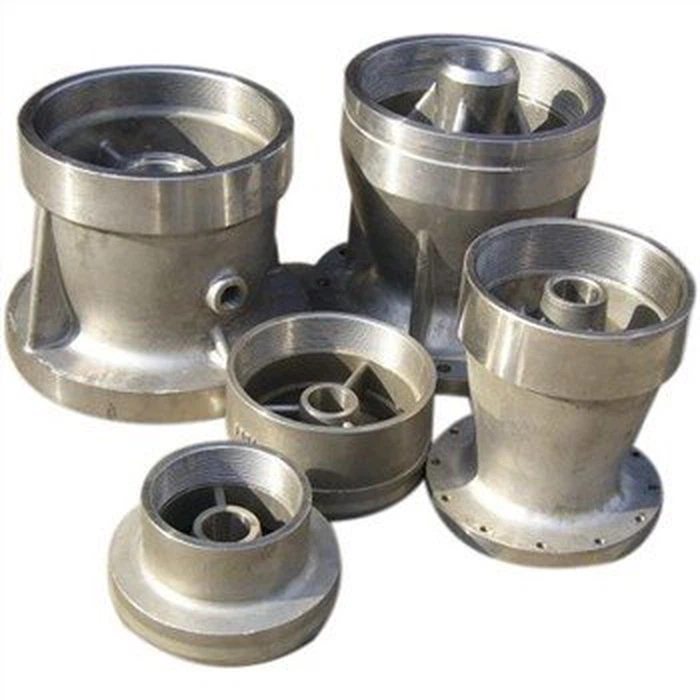
The shell, pump cover, and impeller of the seawater pump are all bronze or stainless steel, and the pump shaft is made of stainless steel. Bronze is a cost-effective alternative, as seawater pumps made of stainless steel are generally more expensive.
Pump Construction
A seawater pump consists of several key components, including an impeller, a volute or casing, an inlet, and an outlet. The pump is usually made of durable and corrosion-resistant materials, such as stainless steel or bronze, to withstand the harsh conditions of seawater.
Impeller
Inside the pump housing, there is an impeller, which is a rotating component with curved blades or vanes. The impeller is connected to a drive shaft, which is powered by an electric motor, internal combustion engine, or another power source. When the impeller rotates, it creates centrifugal force.
Casing
The volute or casing surrounds the impeller and helps direct the flow of water. It is designed to convert the high-velocity, low-pressure water from the impeller into low-velocity, high-pressure water before it exits the pump.
Inlet and Outlet
The pump has an inlet through which seawater is drawn into the pump and an outlet through which the pressurized seawater is discharged. The inlet is typically connected to an intake system located in the hull of the vessel, allowing the pump to draw in seawater. The outlet is connected to the system or equipment that requires the seawater, such as the engine cooling system.
Drive Mechanism
Seawater pumps are typically driven by an external power source, such as an electric motor or an engine. The drive mechanism rotates the impeller inside the pump, creating the necessary flow and pressure to circulate the seawater.
System Control
Seawater pumps may incorporate various control mechanisms. These can include valves, pressure sensors, and flow regulators, which help regulate and control the flow rate and pressure of the seawater to ensure optimal performance and efficiency.
Intake
The sea water is drawn into the system through an intake pipe located beneath the vessel. The intake pipe is usually fitted with a screen or filter to prevent debris, fish, and other marine animals from entering the system.
Strainer
The sea water then passes through a strainer, which removes any large particles or debris that may have passed through the intake screen. The strainer is usually located on the suction side of the pump.
Pump
The sea water is then pumped from the strainer through the pump. The type of pump used may vary depending on the application. Centrifugal pumps are commonly used for seawater pumping.
Cooling
Some sea water pumps are designed to cool the engine, transmission, or other machinery on the vessel. In these systems, the sea water is used as a coolant and is circulated through a heat exchanger before being discharged back into the ocean.

Discharge
After passing through the pump, the sea water is discharged back into the ocean through a discharge pipe. The discharge pipe is usually fitted with a diffuser or nozzle to ensure uniform flow and prevent erosion of the ocean floor.
Monitoring
It is important to monitor the sea water pump system regularly to ensure it is functioning properly. This includes checking for leaks, inspecting and cleaning the intake screen and strainer, and ensuring the pump is operating at the correct flow rate and pressure.
How Does the Booster Pump Work
The basic component of the seawater pump is the impeller. The seawater pump follows the working principle of the traditional centrifugal pump. The impeller is connected to the motor or diesel engine through the drive shaft and rotates at high speed. The seawater enters the impeller's eye, and the rotating motion of the impeller makes the seawater pressurize and accelerate through the impeller blades. Under the action of centrifugal force, it is discharged into the pump casing along its circumference. There are two styles of pump casings for directing pressurized water out of the pump: volute and diffuser. The diffuser design is more efficient, while the volute design is better for channeling seawater containing solids
What Are the Key Factors to Consider When Selecting a Sea Water Pump
Material compatibility
Sea water contains high levels of salt and other corrosive elements. It is important to select a pump that is made from materials that are resistant to corrosion and can withstand the harsh conditions of pumping sea water. Common materials used for sea water pumps include bronze, stainless steel, and duplex stainless steel.
Pump type
There are different types of pumps available for sea water applications, such as centrifugal pumps, positive displacement pumps, and axial flow pumps. The selection of the pump type will depend on factors such as the required flow rate, pressure, and the specific application.
Flow rate and pressure
Consider the required flow rate and pressure for the sea water pump. This will depend on the specific application, such as cooling systems, desalination plants, or offshore platforms. Ensure that the selected pump can meet the desired flow rate and pressure requirements.
Efficiency
Pump efficiency is an important factor to consider, as it affects the energy consumption and operating costs. Look for pumps that are designed for high efficiency to minimize energy consumption and reduce operating costs over the long term.
Reliability and durability
Sea water pumps are often used in critical applications where downtime can be costly. It is important to select a pump that is reliable and durable, with a proven track record of performance in sea water applications. Consider factors such as the pump manufacturer's reputation, warranty, and maintenance requirements.
Maintenance and serviceability
Consider the maintenance requirements and serviceability of the sea water pump. Look for pumps that are easy to maintain and service, with readily available spare parts and a network of service providers.
Environmental considerations
Consider any environmental regulations or requirements that may apply to the sea water pump. For example, some applications may require pumps that are compliant with marine environmental standards or regulations.
Cost
Consider the initial cost as well as the long-term operating costs of the sea water pump. While it is important to select a pump that meets the required specifications, it is also important to consider the overall cost-effectiveness of the pump over its lifespan.
Inspect the pump's seals regularly for signs of wear or leakage. Replace any damaged or worn seals promptly to prevent water leakage and maintain the pump's efficiency.
Keep an eye on the pump's performance, such as flow rate, pressure, and temperature. Any significant changes in performance may indicate a problem that needs attention.
Engage a qualified pump service technician for periodic inspections and maintenance. They can provide expert advice, perform more in-depth inspections, and address any complex issues that may arise.
Conduct regular visual inspections of the pump and its components. Look for signs of corrosion, leaks, or any other damage. Inspect the impeller, casing, seals, and bearings for wear or deterioration.
Sea water pumps often have an intake strainer or filter to prevent debris from entering the pump. Regularly clean the strainer to remove any accumulated debris or marine growth that could obstruct the flow of water.
After each use, flush the sea water pump system with fresh water to remove any salt or debris that may have accumulated. This helps prevent corrosion and extends the life of the pump.
Check and lubricate the pump's bearings and seals as per the manufacturer's recommendations. Proper lubrication helps reduce friction and wear, ensuring smooth operation.
Follow a regular maintenance schedule as recommended by the pump manufacturer. This may include tasks such as replacing worn parts, checking alignment, and performing routine maintenance procedures.
Maintain a record of maintenance activities, including dates, tasks performed, and any issues encountered. This helps track the pump's maintenance history and aids in troubleshooting if problems arise.
Sea water pumps are typically made from materials that are resistant to corrosion caused by saltwater, such as bronze, stainless steel, or duplex stainless steel. These materials may not be necessary or cost-effective for freshwater applications, as freshwater does not have the same corrosive properties as sea water.
Sea water pumps are designed to handle the specific flow rates and pressures required for sea water applications. Using a sea water pump for freshwater may result in inefficient operation, as the pump may be oversized or not optimized for the lower density and viscosity of freshwater.
Sea water pumps are generally more expensive than pumps designed for freshwater applications. Using a sea water pump for freshwater may result in unnecessary costs for purchasing and maintaining the pump.
Sea water pumps may require more frequent maintenance and cleaning due to the corrosive nature of sea water. Using a sea water pump for freshwater may result in unnecessary maintenance requirements and costs.
Our factory has the advanced B-grade testing station of computer-controlled submersible motor pump, national 2-grade physical-chemical measurement and inspection center, own the only province-grade investigate institution in Shandong and own the advanced machining centre, computer center and product inspection center. Our factory covers an area of 150000 square meters, with 649 employees and more than 240 technicians above college level, accounting for more than 35% of the total number of employees.


Q: What is a sea water pump?
Q: What are the typical applications of a sea water pump?
Q: What types of sea water pumps are available in the market?
Q: How do centrifugal sea water pumps work?
Q: How do positive displacement sea water pumps work?
Q: How do jet pumps work?
Q: Can sea water pumps be used for freshwater?
Q: What materials are used to make sea water pumps?
Q: What are the key factors to consider when selecting a sea water pump?
Q: How do I determine the flow rate of the sea water pump I need?
Q: What is the maximum pressure that sea water pumps can handle?
Q: How do I maintain my sea water pump?
Q: What are some common problems with sea water pumps?
Q: How can I prevent corrosion in my sea water pump?
Q: What factors affect the efficiency of a sea water pump?
Q: Is it possible to increase the efficiency of my sea water pump?
Q: How do I troubleshoot a sea water pump?
Q: What safety precautions should I take when working with a sea water pump?
Q: How do I choose the right sea water pump for my application?
Q: Where can I buy a reliable sea water pump?
We're professional sea water pump manufacturers and suppliers in China, specialized in providing the best OEM service. Please feel free to buy high quality sea water pump for sale here from our factory. For more information, contact us now.cooling seawater pump, raw sea water pump, sea water ballast pump