A chemical process pump is a type of industrial pump specifically designed to handle corrosive, abrasive, or hazardous fluids encountered in chemical processing applications. These pumps are engineered with materials and construction features that ensure compatibility with a wide range of aggressive chemicals, acids, bases, solvents, and other corrosive substances commonly found in chemical processing plants. Chemical process pumps are built to withstand the harsh operating conditions and demanding requirements of chemical processes, including high temperatures, high pressures, and potentially abrasive or erosive fluids. They are typically constructed from corrosion-resistant materials such as stainless steel, Hastelloy, titanium, or lined with specialized coatings or plastics to prevent chemical attack and maintain pump integrity. These pumps come in various configurations, including centrifugal pumps, diaphragm pumps, magnetic drive pumps, and vertical pumps, each suited to different chemical handling requirements and process conditions. The primary function of chemical process pumps is to safely and efficiently transfer chemicals throughout the production process, ensuring reliable and continuous operation of chemical processing systems while minimizing the risk of leaks, contamination, or equipment damage.
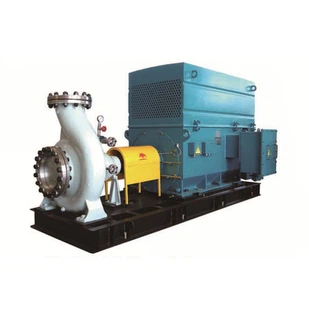
Corrosion resistance
Chemical process pumps are specifically designed to handle corrosive fluids encountered in chemical processing applications. They are constructed from corrosion-resistant materials such as stainless steel, Hastelloy, or plastic-lined components, ensuring long-term durability and reliability in aggressive chemical environments.
Chemical compatibility
These pumps are compatible with a wide range of chemicals, acids, bases, solvents, and other corrosive substances commonly found in chemical processing plants. They can safely handle a variety of chemical compositions without degradation or damage to the pump components, ensuring safe and efficient fluid transfer.
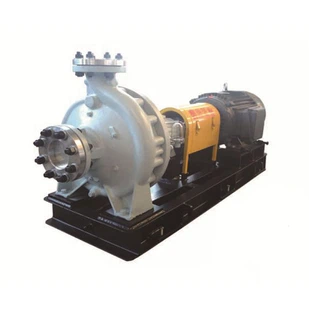
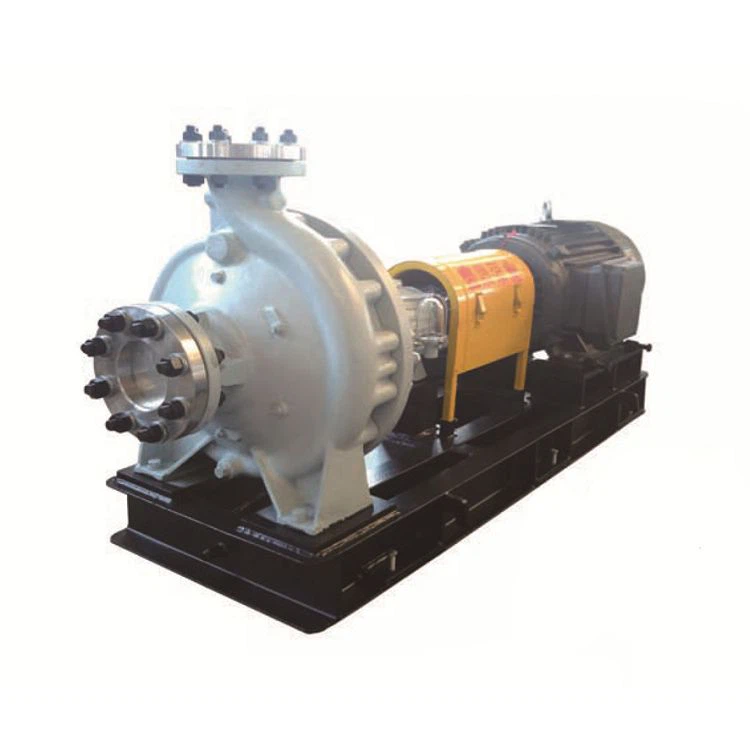
High temperature and pressure handling
Chemical process pumps are engineered to withstand high temperatures and pressures encountered in chemical processing operations. They are designed with robust construction features, such as heavy-duty casings, reinforced shafts, and specialized seals, to withstand the demanding conditions of chemical processes.
Versatility
Chemical process pumps come in a variety of configurations, including centrifugal pumps, diaphragm pumps, magnetic drive pumps, and vertical pumps, allowing for versatility in handling different fluid types, flow rates, and operating conditions. This versatility enables chemical processing plants to select the most suitable pump for their specific application requirements.

The rear pull-out design enables the bearing pedestal including impeller and shaft seal to be removed with the volute

The rear pull-out design enables the bearing pedestal including impeller and shaft seal to be removed with the volute
Professional team
Our professional team collaborate and communicate effectively with one another, and are committed to delivering high-quality results. They are capable of handling complex challenges and projects that require their specialized expertise and experience.
One stop solution
We can offer a range of services, from consultation and advice to product design and delivery. It is a convenience for the customers, as they can get all the help they need in one place.
Innovation
We are dedicated to improving our systems continually, ensuring that the technology we offer is always cutting edge.
24h online service
We try and respond to all concerns within 24 hours and our teams are always at your disposal in case of any emergencies.

A chemical process pump differs from other types of pumps primarily in its design and materials of construction, which are specifically tailored to handle corrosive and abrasive fluids commonly found in chemical processing applications. Here are some key ways in which chemical process pumps differ from other types of pumps:
Material compatibility: Chemical process pumps are constructed with materials that are compatible with the specific chemicals being pumped. This often involves the use of corrosion-resistant materials such as stainless steel, Hastelloy, or various plastics like polypropylene, PVDF (Polyvinylidene fluoride), or PTFE (Polytetrafluoroethylene).
Sealing mechanisms: Chemical process pumps often incorporate specialized sealing mechanisms to prevent leaks and contamination of the fluid being pumped. This may include mechanical seals, magnetic drive seals, or diaphragm seals designed to handle corrosive and hazardous chemicals.
Pump design: Chemical process pumps are typically designed to handle the demanding requirements of chemical processing applications, including high temperatures, high pressures, and aggressive fluids. They may feature robust casing designs, reinforced shafts, and heavy-duty bearings to ensure reliability and longevity in harsh operating conditions.
Safety considerations: Chemical process pumps are often designed with safety features such as leak detection systems, containment chambers, and secondary containment arrangements to mitigate the risks associated with handling hazardous chemicals.
Performance characteristics: Chemical process pumps are engineered to deliver precise flow rates and pressures required for chemical processing applications. They may feature variable speed drives or adjustable impellers to optimize performance and efficiency.

Casing
The casing is the outer shell of the pump that houses the internal components and contains the fluid being pumped. It is usually designed to withstand the pressures and temperatures of the application environment.

Impeller
The impeller is a rotating component that generates the centrifugal force necessary to move the fluid through the pump. In chemical process pumps, the impeller is often designed with specific shapes and profiles to handle corrosive and abrasive fluids efficiently.
Shaft
The shaft is the central rotating element of the pump that connects the impeller to the motor or drive mechanism. It must be strong and durable to withstand the stresses and loads imposed during operation.
Sealing mechanism
Chemical process pumps typically incorporate specialized sealing mechanisms to prevent leaks and contamination of the fluid being pumped. This may include mechanical seals, magnetic drive seals, or diaphragm seals designed for corrosive and hazardous chemicals.
Bearings
Bearings support the shaft and impeller assembly, allowing it to rotate smoothly and with minimal friction. Chemical process pumps may use bearings made from materials that are compatible with the fluid being pumped.
Drive mechanism
The drive mechanism powers the rotation of the pump shaft and impeller. This may be an electric motor, a diesel engine, or another type of prime mover, depending on the application requirements.
Inlet and outlet connections
These are the ports through which the fluid enters and exits the pump. They are typically fitted with flanges or threaded connections to facilitate installation and connection to piping systems.
Wear rings and wear plates
These components help to minimize wear and erosion of the pump casing and impeller due to abrasive particles in the fluid.
Casing liners and impeller coatings
In some designs, chemical process pumps may feature replaceable casing liners or impeller coatings made from materials resistant to corrosion and abrasion.
● Chemical compatibility: Ensure the pump materials are compatible with the chemicals being handled. Materials like stainless steel, Hastelloy, or other corrosion-resistant alloys are commonly used for chemical applications.
● Temperature and pressure: Determine the temperature and pressure requirements of the process fluid to select a pump that can operate within those parameters safely and efficiently.
● Flow rate and head: Calculate the required flow rate and head (pressure) for the application to select a pump that can meet these requirements. Consider factors such as variations in flow rate and head over time.
● Viscosity: Consider the viscosity of the fluid being pumped. Some pumps may be better suited for handling high-viscosity fluids, while others may be more appropriate for low-viscosity fluids.
● Solids handling: If the process fluid contains solids, select a pump with the appropriate solids-handling capabilities. Centrifugal pumps are typically better suited for clean liquids, while positive displacement pumps may be better for handling solids.
● Seal selection: Choose an appropriate sealing mechanism to prevent leaks and ensure safety. Mechanical seals, diaphragm seals, or magnetic drive systems may be used depending on the application requirements.

● Flow rate: Flow rate, usually measured in gallons per minute (GPM) or cubic meters per hour (m³/h), refers to the volume of fluid that the pump can deliver within a specified time frame. It indicates the pump's capacity to move fluid through the system.
● Total dynamic head (TDH): Total dynamic head is a measure of the total energy imparted to the fluid by the pump, expressed in units of pressure (such as feet or meters of head). It accounts for both the pressure rise (static head) and the energy losses (friction losses) in the system. TDH is crucial for determining the pump's ability to overcome resistance and lift the fluid to the desired height.
● Efficiency: Pump efficiency is the ratio of the useful work output (the power transferred to the fluid) to the input power (the power supplied to the pump). It indicates how effectively the pump converts input power into hydraulic energy. Higher efficiency pumps require less energy to achieve the same flow rate and head, resulting in lower operating costs.
● Power consumption: Power consumption, typically measured in kilowatts (kW) or horsepower (HP), quantifies the electrical or mechanical power required to operate the pump. It directly influences operating costs and energy efficiency.
● NPSH (net positive suction head) requirement: NPSH is a measure of the pressure head available at the pump's suction port to prevent cavitation (the formation of vapor bubbles in the fluid due to low pressure). NPSH requirement specifies the minimum pressure required at the pump inlet to avoid cavitation and maintain pump performance.
● Specific speed (Ns): Specific speed is a dimensionless parameter that characterizes the pump's geometry and performance. It provides insights into the pump's type (e.g., radial, mixed-flow, or axial-flow) and helps in selecting the most suitable pump for a given application.
● Cavitation performance: Cavitation performance refers to the pump's ability to operate without experiencing cavitation-related issues, such as performance degradation, noise, and damage to pump components. It is assessed based on factors such as NPSH margin, impeller design, and operating conditions.

The working principle of a chemical process pump revolves around the conversion of mechanical energy into hydraulic energy to transfer corrosive or abrasive fluids in chemical processing applications. These pumps typically operate based on the centrifugal force generated by a rotating impeller within a casing. As the impeller rotates, it creates a centrifugal force that draws fluid into the pump inlet and accelerates it outward along the impeller blades. This action increases the fluid's velocity and pressure, causing it to be discharged through the pump outlet. In operation, the chemical process pump must overcome resistance from piping, valves, and other system components to maintain the desired flow rate and pressure. Total dynamic head (TDH) is a critical parameter that accounts for both the static pressure rise and the friction losses in the system, influencing the pump's performance and efficiency. By optimizing pump design, materials selection, and operating parameters, chemical process pumps can effectively handle the challenges of transferring corrosive and abrasive fluids while ensuring safe and reliable operation in demanding industrial environments.
● Chemical compatibility: Ensure that the materials of construction for the pump and its components are compatible with the chemicals being handled. Use materials that resist corrosion and degradation caused by the pumped fluids.
● Personal protective equipment (PPE): Provide and require the use of appropriate PPE, including gloves, safety goggles, face shields, aprons, and respiratory protection, to protect against chemical exposure, splashes, and inhalation hazards.
● Ventilation: Maintain adequate ventilation in pump rooms and areas where chemical handling takes place to prevent the buildup of vapors, fumes, and potentially hazardous atmospheres. Use local exhaust ventilation systems where necessary and ensure proper airflow.
● Leak detection and containment: Install leak detection systems and secondary containment measures to promptly identify and contain leaks or spills. Implement procedures for leak response, cleanup, and proper disposal of spilled materials in accordance with regulatory requirements.
● Sealing systems: Ensure that sealing systems, such as mechanical seals or packing glands, are properly installed, maintained, and monitored to prevent leaks and fugitive emissions of hazardous chemicals.
● Pressure relief: Install pressure relief valves or rupture discs to protect against overpressurization and potential equipment failure. Size and set pressure relief devices according to the system's design pressure and operating conditions.
● Electrical safety: Follow electrical safety guidelines when operating pumps powered by electric motors. Ensure that electrical equipment is properly grounded, rated for the application environment, and installed in accordance with applicable codes and standards.
● Start-up and shutdown procedures: Follow established start-up and shutdown procedures to safely operate chemical process pumps. Verify proper alignment, priming, and valve positions before starting or stopping the pump.

- Initial conceptualization: Engineers identify the requirements and specifications of the pump based on the intended application and the properties of the chemicals it will handle.
- CAD (Computer-Aided Design) modeling: Using specialized software, engineers create detailed designs of the pump, including its components, dimensions, and material specifications.
- Computational fluid dynamics (CFD) analysis: Engineers simulate the fluid flow within the pump to optimize its performance and efficiency.
- Based on the chemical compatibility requirements, engineers select materials for the pump components that can withstand the corrosive or abrasive nature of the fluids being handled. Common materials include stainless steel, alloys, and plastics.
- Machining: Raw materials are machined into the various components of the pump, including impellers, casings, shafts, and seals. CNC (Computer Numerical Control) machines are often used for precision machining.
- Casting or molding: Some components may be cast or molded using techniques such as investment casting or injection molding, depending on the complexity and material requirements.
- Surface treatment: Components may undergo surface treatments such as coating, plating, or passivation to enhance corrosion resistance and durability.
- Assembly of components: Skilled technicians assemble the machined and molded components into the final pump assembly according to the design specifications.
- Installation of seals and bearings: Seals, bearings, and other internal components are installed to ensure proper functionality and longevity.
- Quality control checks: Throughout the assembly process, quality control checks are conducted to verify dimensional accuracy, alignment, and proper functioning of the pump components.
- Performance testing: Finished pumps undergo rigorous performance testing to verify flow rates, pressure capabilities, and efficiency. This may include testing under various operating conditions to ensure reliability and durability.
- Material inspection: Chemical composition and material properties of critical components are inspected to ensure compliance with specifications and standards.
- Leak testing: Pumps are subjected to leak testing to ensure tightness of seals and connections, especially critical for handling hazardous chemicals.
● Pre-installation inspection: Before installation, inspect the pump, motor, accessories, and associated components for any damage or defects. Ensure that all parts are present and in good condition. Choose a suitable location for installing the pump that provides adequate space for operation, maintenance, and access to power sources. Consider factors such as ventilation, accessibility, and proximity to the process equipment.
● Foundation preparation: Prepare a stable and level foundation for mounting the pump. The foundation should be capable of supporting the weight of the pump and motor assembly and should minimize vibration and misalignment. Align the pump and motor shafts using precision alignment tools to ensure proper coupling and minimize mechanical stress. Proper alignment is crucial for reducing wear and tear on bearings and seals and maximizing pump efficiency.
● Piping connection: Install inlet and outlet piping according to the pump manufacturer's recommendations and industry standards. Use appropriate fittings, gaskets, and sealing materials to ensure leak-free connections and compatibility with the pumped fluid.
● Support structure: Provide adequate support and bracing for the pump and associated piping to prevent sagging, misalignment, or excessive vibration during operation. Use pipe supports, hangers, and brackets as needed to secure the piping in place.
● Electrical connection: Connect the pump motor to the power supply in accordance with electrical safety codes and regulations. Ensure proper grounding and insulation to prevent electrical hazards and ensure reliable operation.
● Priming: Prime the pump by filling the casing and suction piping with the pumped fluid or a suitable priming liquid. Follow the manufacturer's instructions for priming procedures and ensure that air pockets are eliminated from the system. Perform start-up testing to verify that the pump operates smoothly and efficiently. Check for proper rotation, flow direction, pressure, and temperature readings. Monitor for any unusual noise, vibration, or leaks during the initial operation.
● Adjustments and optimization: Make any necessary adjustments to optimize pump performance, such as adjusting impeller clearance, flow rate, or pressure settings. Monitor operating parameters and fine-tune the system as needed to meet the process requirements.

Lubricating a chemical process pump is essential for ensuring smooth operation and extending its lifespan. Before beginning the lubrication process, identify the specific lubrication points on the pump. These points typically include bearings, seals, and any other moving parts that require lubrication.
● Select the correct lubricant: Choose a lubricant that is compatible with the materials of construction used in the pump and suitable for the operating conditions (temperature, pressure, etc.). For chemical process pumps, it's crucial to select lubricants that are resistant to the chemicals being handled to prevent contamination or degradation of the lubricant.
● Prepare the pump: Shut down the pump and allow it to cool down if it has been in operation. Ensure that the pump is depressurized and isolated from the process fluid to prevent any contamination.
● Clean the lubrication points: Before applying new lubricant, clean the lubrication points thoroughly to remove any dirt, debris, or old lubricant residue. Use a clean cloth or solvent appropriate for the application to clean the surfaces effectively.
● Apply lubricant: Apply the appropriate amount of lubricant to each lubrication point according to the manufacturer's recommendations. Use a grease gun or oil can to apply grease or oil, respectively, to bearings, seals, and other moving parts. Ensure that the lubricant is distributed evenly and does not exceed the recommended amount.
● Operate the pump: After lubricating the pump, operate it briefly to allow the lubricant to distribute evenly across the moving parts. Monitor the pump for any unusual noises or vibrations that may indicate improper lubrication or other issues.
● Inspect regularly: Regularly inspect the lubrication points and monitor the condition of the lubricant. Reapply lubricant as needed and replace it at regular intervals according to the manufacturer's recommendations.
The viscosity of fluids has notable implications on the performance of chemical process pumps. Viscosity, representing a fluid's resistance to flow, affects several critical aspects of pump operation and efficiency. Firstly, higher viscosity fluids typically exhibit reduced flow rates and increased resistance to pumping compared to less viscous fluids under similar conditions. Consequently, pumps handling viscous fluids often require more power to overcome this resistance, resulting in higher energy consumption and operating costs. Additionally, as viscosity increases, pump efficiency tends to decrease due to elevated friction losses within the pump and associated piping systems. Moreover, high-viscosity fluids may necessitate higher Net Positive Suction Head (NPSH) requirements to prevent cavitation, a phenomenon that can cause damage to pump components and reduce performance. Temperature variations can also influence fluid viscosity, requiring adjustments to operating parameters or pump designs. Furthermore, the choice of pump materials becomes crucial for compatibility and corrosion prevention, particularly when handling high-viscosity fluids. Pump designs tailored for viscous fluids may incorporate features such as larger clearances or specialized impeller geometries to optimize performance and efficiency.

Preventing leakage in chemical process pumps is crucial for ensuring safety, environmental protection, and operational efficiency. Several strategies can be employed to minimize the risk of leakage effectively. Firstly, selecting the right sealing mechanism is paramount; whether it's mechanical seals, diaphragm seals, or magnetic drive systems, choosing based on compatibility with chemicals, pressure, and temperature is vital. Secondly, adherence to a rigorous maintenance schedule is key, including regular inspection and replacement of seals and gaskets to address wear and tear promptly. Proper installation practices, such as correct alignment and sealing techniques, also play a significant role in preventing leakage from the outset. Additionally, monitoring operating conditions closely, such as temperature and pressure, helps prevent excessive stress on seals and other components. Ensuring chemical compatibility between pump materials and the substances being handled is essential to prevent corrosion and degradation of seals. Implementing secondary containment measures, like drip pans and leak detection systems, provides an extra layer of protection in case of leaks. Training personnel on proper pump operation, maintenance, and emergency response procedures enhances awareness and readiness to address potential leakage effectively. Regular inspections and compliance with relevant regulations and standards further contribute to preventing leakage and maintaining safe and efficient pump operation.
Chemical process pumps can indeed be used in the pharmaceutical industry, albeit with certain considerations and adaptations to meet the industry's specific requirements. These pumps are often employed in pharmaceutical manufacturing processes where the handling of various chemicals, solvents, and other fluids is necessary for drug production. Chemical process pumps used in the pharmaceutical industry must meet strict hygiene and cleanliness standards to prevent contamination of pharmaceutical products. This may involve using pumps constructed from materials such as stainless steel or specialized plastics that are compatible with pharmaceutical-grade fluids and can withstand frequent cleaning and sterilization procedures. pharmaceutical applications often require pumps with precise metering capabilities to accurately dose and transfer ingredients and active pharmaceutical ingredients (APIs) during formulation and processing. Chemical process pumps with adjustable flow rates, precise control mechanisms, and compliance with Good Manufacturing Practices (GMP) are essential to ensure product quality and consistency.
In addition to hygiene and dosing requirements, pharmaceutical processes may involve handling sensitive or shear-sensitive fluids that require gentle handling to maintain product integrity. Therefore, pump designs that minimize shear forces and agitation, such as peristaltic pumps or diaphragm pumps, may be preferred in certain pharmaceutical applications. chemical process pumps can be effectively used in the pharmaceutical industry to facilitate various manufacturing processes, provided they are designed, constructed, and operated in accordance with industry-specific requirements and regulatory standards. By selecting the appropriate pump technology, materials, and features, pharmaceutical manufacturers can ensure the reliable and efficient transfer of fluids while maintaining product quality, purity, and compliance with regulatory requirements.
● Regular inspection: Conduct routine visual inspections of the pump and its components to check for signs of wear, leaks, or damage. Look for corrosion, erosion, cracks, or other abnormalities that may indicate potential issues.
● Monitor operating conditions: Keep track of operating parameters such as temperature, pressure, and flow rates. Deviations from normal operating conditions could indicate problems that need to be addressed.
● Lubrication: Ensure proper lubrication of bearings, seals, and other moving parts according to manufacturer recommendations. Use lubricants compatible with the chemicals being handled and the operating conditions of the pump.
● Seal maintenance: Inspect and maintain seals regularly to prevent leaks. Replace worn or damaged seals promptly to maintain pump integrity and prevent contamination of the process fluid.
● Alignment and coupling inspection: Check pump alignment and coupling integrity periodically to ensure smooth operation and prevent premature wear on bearings and other components.
● Impeller inspection: Examine the impeller and pump casing for any buildup of debris, scale, or corrosion. Clean or replace components as necessary to maintain optimal pump performance.
● Suction piping: Inspect suction piping for leaks, blockages, or air ingress that could affect pump performance. Ensure proper alignment and support of suction piping to prevent strain on the pump.
● Vibration analysis: Monitor pump vibration levels regularly to detect early signs of mechanical problems such as misalignment, imbalance, or bearing wear. Address any abnormal vibration patterns promptly to prevent further damage.
● Temperature monitoring: Install temperature sensors or gauges to monitor pump and bearing temperatures. Elevated temperatures can indicate issues such as inadequate lubrication or bearing failure.
Our factory has the advanced B-grade testing station of computer-controlled submersible motor pump, national 2-grade physical-chemical measurement and inspection center, own the only province-grade investigate institution in Shandong and own the advanced machining centre, computer center and product inspection center. Our factory covers an area of 150000 square meters, with 649 employees and more than 240 technicians above college level, accounting for more than 35% of the total number of employees.


Q: What are Chemical Process Pumps?
Q: What Materials are Chemical Process Pumps Made Of?
Q: How do You Select the Right Chemical Process Pump?
Q: What is the Difference Between Centrifugal and Positive Displacement Pumps in Chemical Processes?
Q: What are the Common Types of Chemical Process Pumps?
Q: What is a Magnetic Drive Pump and When is it Used?
Q: Why are Seal-less Pumps Important in Chemical Processes?
Q: What Maintenance is Required for Chemical Process Pumps?
Q: How do You Troubleshoot Chemical Process Pumps?
Q: What Safety Measures Should be Taken When Handling Chemical Process Pumps?
Q: What are the Efficiency Considerations for Chemical Process Pumps?
Q: How do Pumps Affect the Quality of the Chemical Product?
Q: What is the Role of Pump Design in Chemical Processes?
Q: What are the Environmental Regulations Surrounding Chemical Process Pumps?
Q: What is NPSH and Why is It Important for Chemical Pumps?
Q: What Causes Pump Cavitation and How Can It Be Prevented?
Q: Can Chemical Process Pumps be Used for Solids Handling?
Q: What is the Impact of Temperature on Chemical Process Pumps?
Q: How Does Viscosity Affect Pump Selection and Performance?
Q: What are the Different Types of Pump Drives?
We're professional chemical process pump manufacturers and suppliers in China, specialized in providing the best OEM service. Please feel free to buy high quality chemical process pump for sale here from our factory. For more information, contact us now.2 hp submersible pump, industrial heavy duty trash pump, chemical transfer pump