
As a seasoned supplier of submersible pumps, I've witnessed firsthand the critical role that flow rate adjustment plays in various applications. Whether it's for residential water supply, industrial wastewater management, or agricultural irrigation, getting the flow rate right is essential for optimal performance and efficiency. In this blog post, I'll share some practical tips on how to adjust the flow rate of a submersible pump.
Understanding the Basics of Submersible Pumps
Before diving into the adjustment process, it's important to have a basic understanding of how submersible pumps work. A submersible pump is designed to be fully submerged in the fluid it is pumping, which can be water, sewage, or slurry. The pump is typically powered by a Submersible Motor, which drives an impeller to create a flow of fluid.
The flow rate of a submersible pump is determined by several factors, including the pump's design, the power of the motor, the size of the impeller, and the head (the vertical distance the fluid needs to be pumped). By adjusting these factors, you can control the flow rate of the pump to meet your specific requirements.
Methods for Adjusting the Flow Rate
There are several methods you can use to adjust the flow rate of a submersible pump. The most common methods include:
1. Throttle Valve Adjustment
One of the simplest ways to adjust the flow rate of a submersible pump is by using a throttle valve. A throttle valve is a device that can be installed in the discharge pipe of the pump to restrict the flow of fluid. By closing the throttle valve, you can reduce the flow rate of the pump, while opening the valve will increase the flow rate.
When using a throttle valve, it's important to note that closing the valve too much can cause the pump to overheat and damage the motor. Therefore, it's recommended to make small adjustments to the valve and monitor the pump's performance closely.
2. Impeller Trimming
Another method for adjusting the flow rate of a submersible pump is by trimming the impeller. The impeller is the rotating part of the pump that creates the flow of fluid. By reducing the diameter of the impeller, you can decrease the flow rate of the pump.
Impeller trimming should only be performed by a qualified technician, as it requires specialized tools and knowledge. Trimming the impeller too much can cause the pump to lose efficiency and may even damage the pump.
3. Variable Frequency Drive (VFD)
A Variable Frequency Drive (VFD) is an electronic device that can be used to control the speed of the pump motor. By adjusting the frequency of the electrical power supplied to the motor, the VFD can change the speed of the motor and, consequently, the flow rate of the pump.
Using a VFD to adjust the flow rate of a submersible pump offers several advantages, including energy savings, precise control, and reduced wear and tear on the pump. However, VFDs can be expensive and may require additional installation and maintenance.
4. Pump Selection
In some cases, the most effective way to adjust the flow rate of a submersible pump is by selecting the right pump for the job. Different types of submersible pumps are designed to handle different flow rates and heads. By choosing a pump with the appropriate specifications, you can ensure that the pump operates at its optimal flow rate.
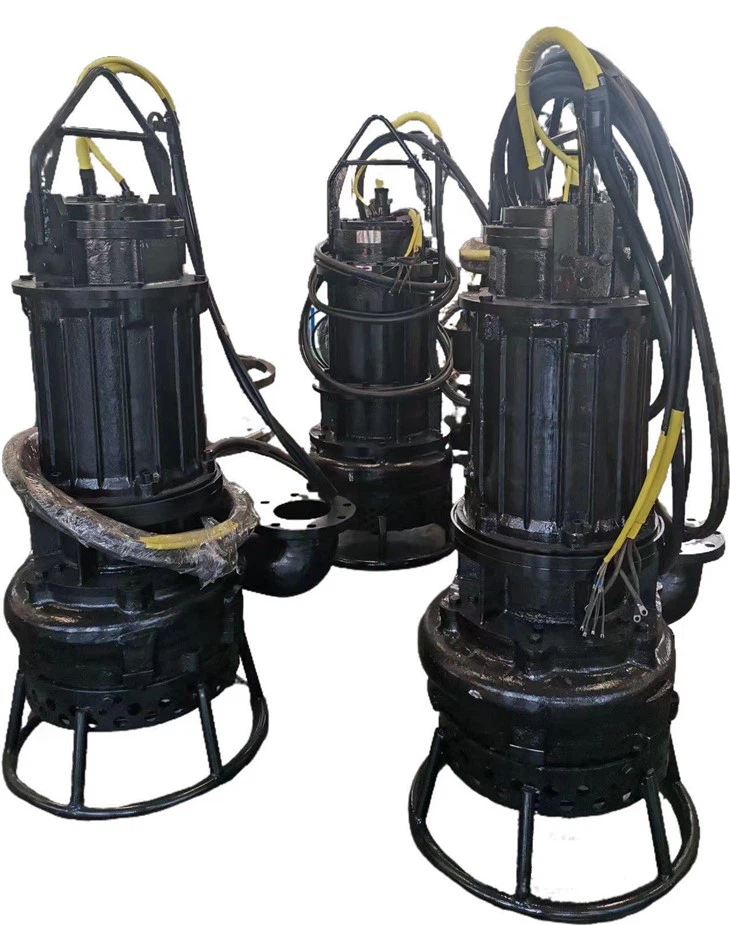
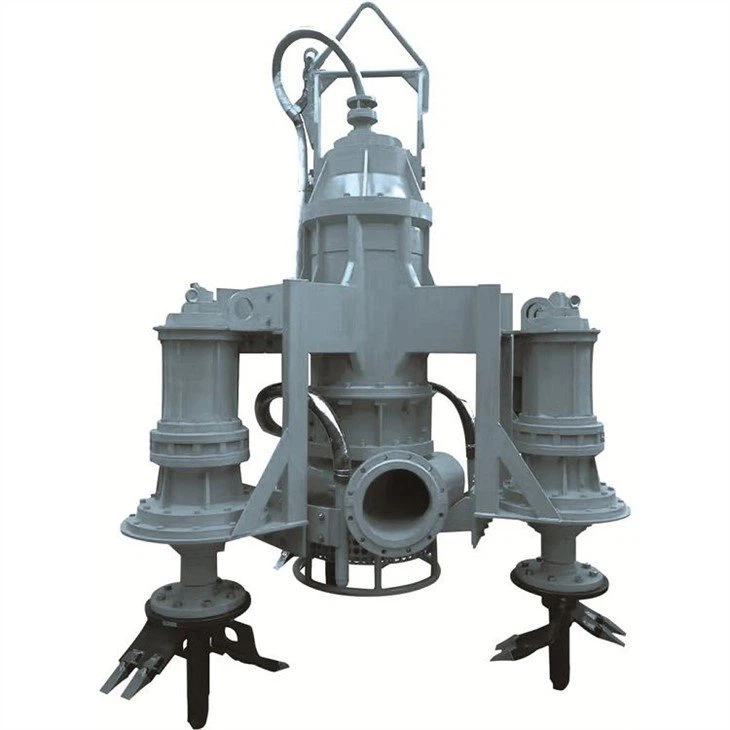
When selecting a submersible pump, it's important to consider factors such as the required flow rate, the head, the type of fluid being pumped, and the operating environment. Our company offers a wide range of Submersible Sewage Pump and Submersible Slurry Pump to meet the diverse needs of our customers.
Considerations for Flow Rate Adjustment
When adjusting the flow rate of a submersible pump, there are several important considerations to keep in mind:
1. Safety
Safety should always be your top priority when working with submersible pumps. Before making any adjustments to the pump, make sure to turn off the power supply and follow all safety procedures. If you're not sure how to adjust the flow rate of the pump safely, it's recommended to consult a professional technician.
2. Pump Efficiency
Adjusting the flow rate of a submersible pump can affect its efficiency. When reducing the flow rate, the pump may operate at a lower efficiency, which can result in increased energy consumption. Therefore, it's important to find the right balance between the desired flow rate and the pump's efficiency.
3. System Requirements
The flow rate of a submersible pump should be adjusted to meet the specific requirements of the system. For example, in a water supply system, the flow rate should be sufficient to meet the demand of all the users. In an industrial wastewater management system, the flow rate should be adjusted to ensure that the wastewater is treated effectively.
Conclusion
Adjusting the flow rate of a submersible pump is an important part of ensuring its optimal performance and efficiency. By using the methods and considerations outlined in this blog post, you can adjust the flow rate of your submersible pump to meet your specific requirements.
If you're in the market for a submersible pump or need assistance with flow rate adjustment, please don't hesitate to contact us. Our team of experts is always ready to provide you with the best solutions and support.
References
- "Submersible Pump Handbook" by Pump Manufacturers Association
- "Pump Systems Matter" by the U.S. Department of Energy