
Measuring the performance of a submersible pump is crucial for ensuring its efficiency, reliability, and overall effectiveness in various applications. As a supplier of submersible pumps, I understand the importance of accurate performance measurement. In this blog post, I will discuss the key parameters and methods for measuring the performance of a submersible pump.
Key Performance Parameters
Flow Rate
Flow rate, also known as discharge, is one of the most important performance parameters of a submersible pump. It refers to the volume of fluid that the pump can move in a given period of time, typically measured in liters per minute (L/min) or cubic meters per hour (m³/h). The flow rate of a submersible pump depends on several factors, including the pump's design, impeller size, motor power, and the characteristics of the fluid being pumped.
To measure the flow rate of a submersible pump, you can use a flow meter. There are several types of flow meters available, including mechanical, electromagnetic, and ultrasonic flow meters. Mechanical flow meters, such as turbine flow meters and positive displacement flow meters, measure the flow rate by counting the number of revolutions of a rotor or the volume of fluid displaced by a piston. Electromagnetic flow meters measure the flow rate by detecting the voltage generated by the movement of a conductive fluid through a magnetic field. Ultrasonic flow meters measure the flow rate by measuring the time it takes for an ultrasonic signal to travel through the fluid in opposite directions.
Head
Head is another important performance parameter of a submersible pump. It refers to the height or pressure that the pump can generate to move the fluid from the source to the destination. Head is typically measured in meters (m) or feet (ft). The head of a submersible pump depends on several factors, including the pump's design, impeller size, motor power, and the characteristics of the fluid being pumped.
To measure the head of a submersible pump, you can use a pressure gauge. A pressure gauge measures the pressure of the fluid at a specific point in the system. The head can be calculated by converting the pressure reading to height using the following formula:
Head (m) = Pressure (Pa) / (Density of fluid (kg/m³) x Gravity (m/s²))
where Pa is the pressure in pascals, kg/m³ is the density of the fluid, and m/s² is the acceleration due to gravity.
Power Consumption
Power consumption is an important performance parameter of a submersible pump, as it affects the operating cost of the pump. Power consumption refers to the amount of electrical energy that the pump consumes to operate. It is typically measured in kilowatts (kW) or horsepower (hp). The power consumption of a submersible pump depends on several factors, including the pump's design, impeller size, motor power, and the operating conditions of the pump.
To measure the power consumption of a submersible pump, you can use a power meter. A power meter measures the electrical power consumed by the pump by measuring the voltage, current, and power factor of the electrical circuit. The power consumption can be calculated by multiplying the voltage, current, and power factor using the following formula:
Power (kW) = Voltage (V) x Current (A) x Power factor
where V is the voltage in volts, A is the current in amperes, and the power factor is a dimensionless number between 0 and 1 that represents the efficiency of the electrical circuit.
Efficiency
Efficiency is a measure of how effectively a submersible pump converts electrical energy into hydraulic energy. It is expressed as a percentage and is calculated by dividing the hydraulic power output of the pump by the electrical power input to the pump. The efficiency of a submersible pump depends on several factors, including the pump's design, impeller size, motor power, and the operating conditions of the pump.
To measure the efficiency of a submersible pump, you can use the following formula:
Efficiency (%) = (Hydraulic power output (kW) / Electrical power input (kW)) x 100
where the hydraulic power output is calculated by multiplying the flow rate, head, and density of the fluid by the acceleration due to gravity, and the electrical power input is measured using a power meter.
Methods for Measuring Performance
Laboratory Testing
Laboratory testing is the most accurate method for measuring the performance of a submersible pump. In a laboratory setting, the pump can be tested under controlled conditions using calibrated instruments to measure the flow rate, head, power consumption, and efficiency of the pump. Laboratory testing can provide detailed information about the performance of the pump and can be used to compare the performance of different pumps.
Field Testing
Field testing is a practical method for measuring the performance of a submersible pump in real-world applications. In a field test, the pump is installed in the actual system and the flow rate, head, power consumption, and efficiency of the pump are measured using portable instruments. Field testing can provide valuable information about the performance of the pump in the actual operating conditions and can be used to identify any problems or issues with the pump.
Monitoring and Data Logging
Monitoring and data logging are important methods for measuring the performance of a submersible pump over time. In a monitoring and data logging system, sensors are installed in the pump and the system to measure the flow rate, head, power consumption, and other parameters of the pump. The data is then logged and analyzed to identify any trends or changes in the performance of the pump. Monitoring and data logging can help to detect any problems or issues with the pump early and can be used to optimize the performance of the pump.

Importance of Performance Measurement
Ensuring Efficiency
Measuring the performance of a submersible pump is important for ensuring its efficiency. By measuring the flow rate, head, power consumption, and efficiency of the pump, you can identify any problems or issues with the pump and take corrective actions to improve its performance. This can help to reduce the operating cost of the pump and improve the overall efficiency of the system.
Ensuring Reliability
Measuring the performance of a submersible pump is also important for ensuring its reliability. By monitoring the performance of the pump over time, you can detect any trends or changes in the performance of the pump and take preventive actions to avoid any breakdowns or failures. This can help to reduce the downtime of the pump and improve the overall reliability of the system.
Meeting Application Requirements
Measuring the performance of a submersible pump is important for ensuring that it meets the requirements of the application. By measuring the flow rate, head, power consumption, and efficiency of the pump, you can select the right pump for the application and ensure that it can provide the required performance. This can help to ensure the proper operation of the system and avoid any problems or issues with the pump.
Conclusion
Measuring the performance of a submersible pump is crucial for ensuring its efficiency, reliability, and overall effectiveness in various applications. By measuring the flow rate, head, power consumption, and efficiency of the pump, you can identify any problems or issues with the pump and take corrective actions to improve its performance. There are several methods for measuring the performance of a submersible pump, including laboratory testing, field testing, and monitoring and data logging. By using these methods, you can ensure that the pump is operating at its optimal performance and meeting the requirements of the application.
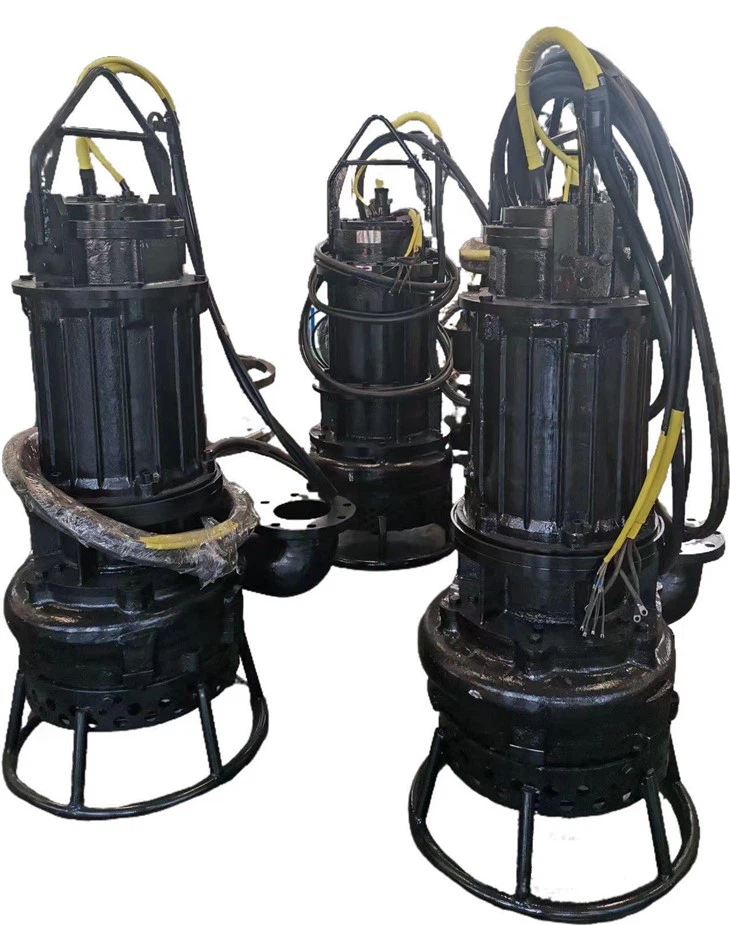
If you are looking for a reliable and efficient submersible pump for your application, we offer a wide range of Submersible Sewage Pump, Submersible Slurry Pump, and Mine Flameproof Submersible Sand Pump. Our pumps are designed and manufactured to meet the highest standards of quality and performance. Contact us today to discuss your requirements and let us help you find the right pump for your application.
References
- "Pump Handbook" by Igor J. Karassik, Joseph P. Messina, Paul Cooper, and Charles C. Heald
- "Centrifugal Pumps: Design and Application" by Heinz P. Bloch and Fred K. Geitner
- "Pump Systems Matter: A Guide to Improved Performance" by the Hydraulic Institute