
Hey there! As a supplier of submersible pumps, I've seen firsthand how water quality can have a huge impact on these pumps. In this blog, I'm gonna break down the effects of different water qualities on submersible pumps and why it matters to you.
Let's start with the basics. Submersible pumps are designed to work underwater, and they're used in a wide range of applications, from residential wells to industrial wastewater management. The water they pump can vary greatly in terms of its quality, and this can affect the pump's performance, lifespan, and maintenance requirements.
1. Clean Water
When you're dealing with clean water, like that from a well or a municipal water supply, submersible pumps generally have an easier time. Clean water is free of large particles, debris, and chemicals that can cause damage.
For submersible pumps used in clean - water applications, the wear and tear on the impeller and other moving parts are significantly reduced. The Submersible Motor can operate more efficiently because there's less risk of clogging or abrasion. This means lower energy consumption and fewer breakdowns.
In a clean - water environment, the pump's seals are also less likely to be compromised. Seals are crucial in preventing water from entering the motor, and clean water puts less stress on them. As a result, the lifespan of the pump can be extended, saving you money in the long run.
2. Water with Suspended Solids
Now, let's talk about water that contains suspended solids, such as sand, silt, or clay. This type of water is common in construction sites, mining operations, and some agricultural applications.
When a submersible pump is pumping water with suspended solids, the impeller and other internal components are at risk of abrasion. The small particles act like sandpaper, gradually wearing down the metal surfaces. Over time, this can lead to reduced pump efficiency as the impeller loses its shape and can no longer move water as effectively.
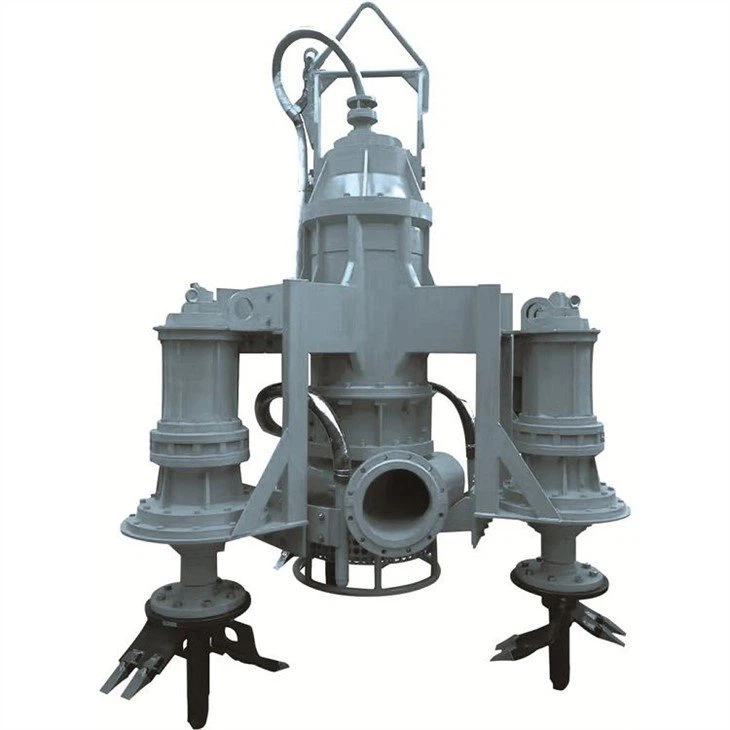
The Submersible Slurry Pump is specifically designed to handle water with high concentrations of solids. These pumps have thicker impellers and more robust materials to withstand the abrasion. However, even with these features, they still require more frequent maintenance compared to pumps used in clean - water applications.
Clogging is another issue with water containing suspended solids. The solids can accumulate in the intake or other narrow passages of the pump, restricting the flow of water. This not only reduces the pump's performance but can also cause the motor to overheat, leading to premature failure.
3. Corrosive Water
Corrosive water is a real headache for submersible pumps. Water that is acidic or contains high levels of salts, such as seawater or water from certain industrial processes, can corrode the pump's metal components.
The corrosion process can start on the outer surfaces of the pump and gradually work its way inside. The motor housing, impeller, and other parts can be weakened, leading to leaks and mechanical failures. In some cases, the corrosion can be so severe that it renders the pump completely inoperable.
To combat corrosion, some submersible pumps are coated with special materials or made from corrosion - resistant alloys. But these pumps are usually more expensive. And even with these protective measures, the lifespan of the pump in a corrosive environment is still likely to be shorter than in a clean - water environment.
4. Sewage and Wastewater
Sewage and wastewater are some of the toughest challenges for submersible pumps. This type of water contains not only solids but also organic matter, chemicals, and sometimes even large objects like rags or sticks.
The Submersible Sewage Pump is built to handle this type of water. It has a larger passage for solids to pass through, reducing the risk of clogging. However, the organic matter in sewage can cause biological growth inside the pump, which can lead to blockages and unpleasant odors.
The chemicals in wastewater can also be corrosive, and the pump needs to be able to withstand these harsh conditions. Additionally, the presence of large objects in sewage can cause mechanical damage to the pump if they get caught in the impeller or other moving parts.
5. Impact on Energy Consumption
The water quality also has a direct impact on the energy consumption of the submersible pump. As we've seen, pumps operating in poor - quality water often have to work harder to achieve the same flow rate.
For example, a pump dealing with water full of suspended solids has to overcome the additional resistance caused by the particles. This means the motor has to draw more power to keep the impeller spinning. Over time, this increased energy consumption can add up to significant costs.
On the other hand, a pump in clean water operates more smoothly and requires less energy. By choosing the right pump for the water quality and ensuring proper maintenance, you can optimize energy usage and save on your electricity bills.
6. Maintenance Requirements
Different water qualities also mean different maintenance requirements. Pumps in clean - water applications generally need less maintenance. You might only need to perform basic checks, such as inspecting the seals and motor connections periodically.
In contrast, pumps in water with suspended solids, corrosive water, or sewage need more frequent maintenance. For pumps handling solids, you'll need to regularly clean the intake and check for signs of abrasion on the impeller. In corrosive environments, you'll have to monitor the condition of the corrosion - resistant coatings and replace any corroded parts.
For sewage pumps, you may need to clean the pump and check for blockages more often. And don't forget about the motor. A dirty or overworked motor can lead to serious problems, so regular motor inspections are a must.
Why It Matters to You
As a user of submersible pumps, understanding the effect of water quality on your pump is crucial. It can help you choose the right pump for your specific application. If you're dealing with clean water, you might be able to get away with a standard pump. But if you're pumping sewage or water with high levels of solids, you'll need a more heavy - duty model.
Properly matching the pump to the water quality can also save you money in the long run. You'll avoid unnecessary breakdowns, reduce maintenance costs, and lower your energy consumption.
Contact Us for Your Pump Needs
If you're in the market for a submersible pump, or if you're having issues with your current pump due to water quality, we're here to help. We've got a wide range of pumps, including Submersible Motors, Submersible Sewage Pumps, and Submersible Slurry Pumps, to meet your specific requirements.
Our team of experts can assist you in choosing the right pump for your water quality and application. We can also provide you with advice on maintenance and troubleshooting. Don't hesitate to reach out to us for a consultation. Let's work together to ensure your pumping system runs smoothly and efficiently.

References
- "Pump Handbook" by Igor J. Karassik et al.
- Technical literature from pump manufacturers on submersible pump performance and maintenance.