
Are submersible pumps easy to install? This is a question that often comes up when customers are considering purchasing a submersible pump. As a submersible pump supplier, I've had the opportunity to work with a wide range of customers, from DIY enthusiasts to professional contractors. In this blog post, I'll share my insights on the installation process of submersible pumps and discuss whether they are truly easy to install.
Understanding Submersible Pumps
Before delving into the installation process, it's important to understand what submersible pumps are and how they work. Submersible pumps are designed to be fully submerged in water, which allows them to efficiently move fluids from one place to another. They are commonly used in various applications, such as residential water supply, sewage and wastewater management, and industrial fluid transfer.
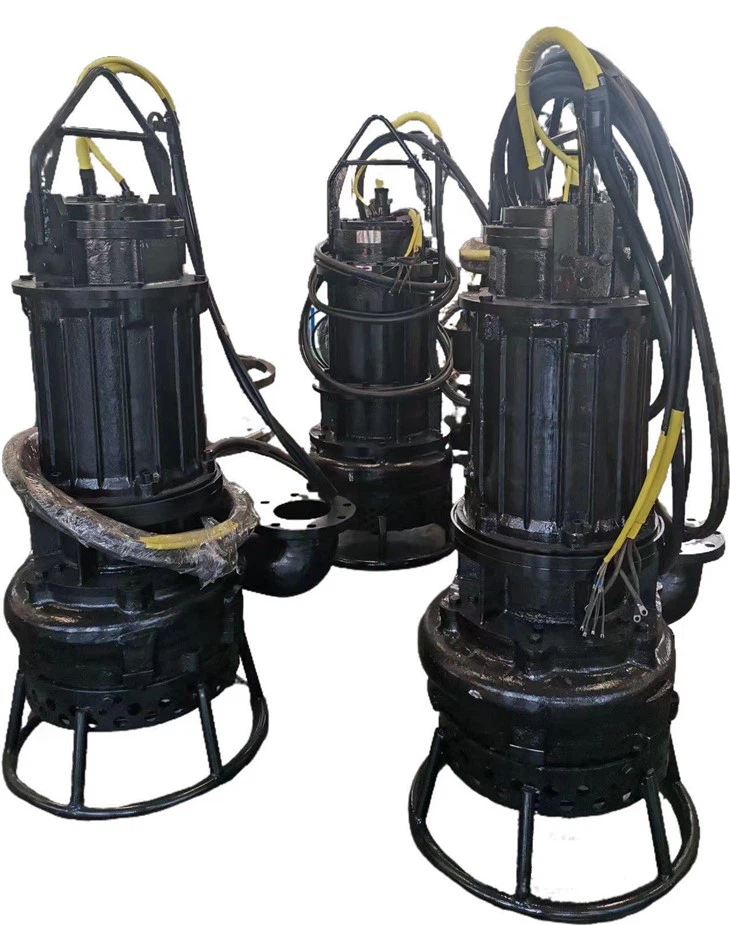
There are different types of submersible pumps available in the market, each designed for specific applications. For example, Submersible Sewage Pump are specifically designed to handle sewage and wastewater, while Submersible Slurry Pump are used for pumping abrasive slurries. The Submersible Motor is an essential component of a submersible pump, providing the power needed to drive the impeller and move the fluid.
Factors Affecting Installation Difficulty
The ease of installing a submersible pump can vary depending on several factors. Here are some of the key factors that can influence the installation process:
1. Pump Type and Size
The type and size of the submersible pump play a significant role in determining the installation difficulty. Smaller pumps, such as those used for residential applications, are generally easier to install compared to larger industrial pumps. Additionally, the specific type of pump, such as a sewage pump or a slurry pump, may require different installation procedures and considerations.
2. Installation Location
The location where the submersible pump will be installed can also impact the installation process. Installing a pump in a well or a sump pit may require different techniques and equipment compared to installing it in a tank or a reservoir. Factors such as the depth of the installation, the accessibility of the location, and the presence of any obstacles can all affect the ease of installation.
3. Electrical Requirements
Submersible pumps require a reliable electrical supply to operate. The electrical requirements of the pump, including the voltage, amperage, and wiring configuration, need to be carefully considered during the installation process. Improper electrical installation can not only lead to pump failure but also pose a safety hazard. Therefore, it's important to ensure that the electrical installation is carried out by a qualified electrician.
4. Pipework and Fittings
The installation of the pipework and fittings is another crucial aspect of the submersible pump installation. The pipes need to be properly sized, connected, and supported to ensure efficient fluid flow and prevent leaks. Additionally, the type of fittings used, such as couplings, valves, and adapters, can also affect the installation process.
The Installation Process
While the installation process of a submersible pump can vary depending on the factors mentioned above, here is a general overview of the steps involved:
1. Preparation
Before starting the installation, it's important to gather all the necessary tools and materials. This may include a pump, pipes, fittings, electrical wiring, a wrench, a screwdriver, and a level. Additionally, you should carefully read the manufacturer's installation instructions to familiarize yourself with the specific requirements of the pump.
2. Selecting the Installation Location
Choose a suitable location for the submersible pump based on the application and the factors mentioned earlier. The location should be accessible, have a stable base, and be free from any potential sources of damage. If installing the pump in a well or a sump pit, ensure that the pit is clean and free from debris.
3. Installing the Pump
Lower the submersible pump into the installation location using a suitable lifting device. Make sure that the pump is properly aligned and level. Connect the pump to the pipework using the appropriate fittings, ensuring a tight and secure connection.
4. Electrical Installation
If you are not a qualified electrician, it's recommended to hire one to carry out the electrical installation. The electrician will connect the pump to the electrical supply, following the manufacturer's instructions and local electrical codes. This may involve wiring the pump to a control panel, a switch, or a power source.
5. Testing and Commissioning
Once the pump is installed and the electrical connections are made, it's important to test the pump to ensure that it is working properly. Fill the system with water and turn on the pump to check for any leaks, abnormal noises, or vibrations. Monitor the pump's performance and make any necessary adjustments.

Tips for Easy Installation
Here are some tips to make the installation of a submersible pump easier and more successful:
1. Plan Ahead
Take the time to plan the installation process carefully. Consider all the factors mentioned earlier and make sure that you have all the necessary tools and materials. This will help you avoid any delays or complications during the installation.
2. Follow the Manufacturer's Instructions
The manufacturer's installation instructions are a valuable resource that provides detailed information on how to install the pump correctly. Make sure to read and follow these instructions carefully to ensure a safe and efficient installation.
3. Use Quality Materials
Invest in high-quality pipes, fittings, and electrical components to ensure the long-term performance and reliability of the pump. Using inferior materials can lead to leaks, pump failure, and other problems.
4. Seek Professional Help if Needed
If you are unsure about any aspect of the installation process, don't hesitate to seek professional help. A qualified plumber or electrician can provide valuable advice and assistance, ensuring that the installation is carried out correctly.
Conclusion
In conclusion, whether submersible pumps are easy to install depends on several factors, including the pump type and size, the installation location, the electrical requirements, and the pipework and fittings. While smaller pumps used for residential applications are generally easier to install, larger industrial pumps may require more specialized knowledge and equipment.
However, with proper planning, following the manufacturer's instructions, and using quality materials, the installation process can be made easier and more successful. If you are considering purchasing a submersible pump, I encourage you to contact us to discuss your specific requirements. Our team of experts can provide you with the guidance and support you need to ensure a smooth and hassle-free installation.
References
- Manufacturer's installation instructions for submersible pumps
- Electrical codes and regulations
- Plumbing and piping standards