
Can a submersible motor be used in salt - water?
Hey there! I'm a supplier of submersible motors, and I often get asked this question: Can a submersible motor be used in salt - water? Well, let's dive right into it.
First off, what's a submersible motor anyway? A submersible motor is designed to be completely submerged in water while it's operating. It powers all sorts of equipment, like Submersible Slurry Pump and Mine Flameproof Submersible Sand Pump. These motors are pretty cool because they can work in harsh underwater environments. But when it comes to salt - water, things get a bit tricky.
Salt - water is a whole different ballgame compared to fresh water. It's highly corrosive due to the presence of salts, mainly sodium chloride. The high salt content can cause a lot of problems for a submersible motor. One of the biggest issues is corrosion. Corrosion is like a slow - motion enemy that eats away at the metal parts of the motor. The electrical components, the housing, and the shafts are all at risk. When the metal corrodes, it can weaken the structure of the motor, leading to leaks, short - circuits, and eventually, motor failure.
Another problem with using a submersible motor in salt - water is the formation of electrolytic cells. Salt - water is a good conductor of electricity, and when different metals in the motor come into contact with it, they can form electrolytic cells. This can lead to a process called galvanic corrosion, where one metal corrodes at a faster rate than normal. It's like a chemical battle happening inside the motor, and the loser is usually the motor's lifespan.
However, that doesn't mean it's impossible to use a submersible motor in salt - water. There are ways to make it work. The key is to choose a motor that's specifically designed for salt - water applications. These motors are made with materials that are resistant to corrosion. For example, some motors use stainless steel for the housing and shafts. Stainless steel is much more resistant to salt - water corrosion than regular steel. The electrical components are also coated with special materials to protect them from the harsh salt - water environment.
There are also some motors that have a protective coating or a sealant on the outside. This acts as a barrier between the motor and the salt - water, preventing the water from coming into direct contact with the metal parts. Some advanced motors even have a self - monitoring system that can detect signs of corrosion early and alert the user.
When it comes to maintenance, using a submersible motor in salt - water requires more attention. Regular inspections are a must. You need to check for any signs of corrosion, leaks, or damage. After each use in salt - water, it's a good idea to rinse the motor with fresh water to remove the salt. This can help slow down the corrosion process.
It's also important to follow the manufacturer's guidelines for maintenance and operation. Some motors may require special lubricants or have specific cleaning procedures. Ignoring these guidelines can lead to premature motor failure.
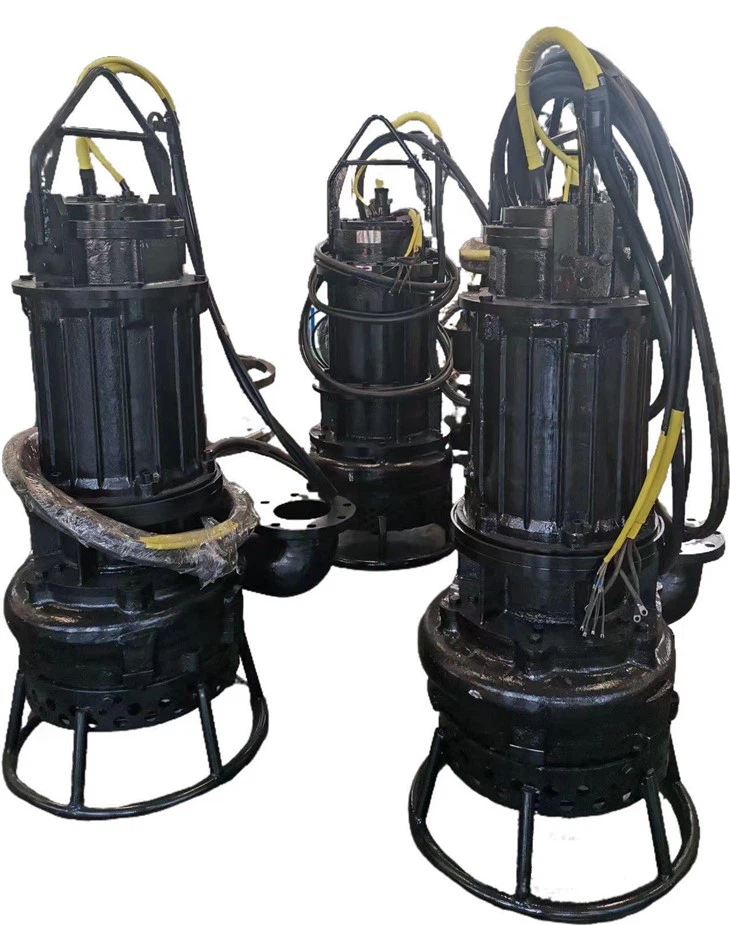

Now, as a submersible motor supplier, I can offer you a range of motors that are suitable for salt - water applications. Our Submersible Motor line includes models that are built to withstand the harsh conditions of salt - water. We've done a lot of research and testing to make sure our motors are reliable and long - lasting in salt - water environments.
If you're thinking about using a submersible motor in salt - water for your project, whether it's for a marine application, a desalination plant, or something else, it's important to do your research. Consider the specific requirements of your project, such as the depth of the water, the temperature, and the salinity levels. Then, choose a motor that can meet those requirements.
In conclusion, while using a submersible motor in salt - water is challenging, it's definitely doable with the right motor and proper maintenance. Don't let the salt - water scare you away from using a submersible motor. With the right precautions, you can enjoy the benefits of a reliable and efficient motor in your salt - water application.
If you're interested in learning more about our submersible motors for salt - water applications or have any questions, feel free to reach out. We're here to help you make the right choice for your project. Whether you need a small motor for a home - based salt - water system or a large - scale motor for an industrial application, we've got you covered. So, don't hesitate to contact us and start the conversation about your submersible motor needs.
References
- "Handbook of Corrosion Engineering" by Pierre R. Roberge
- "Marine Electrical Systems" by Nigel Calder